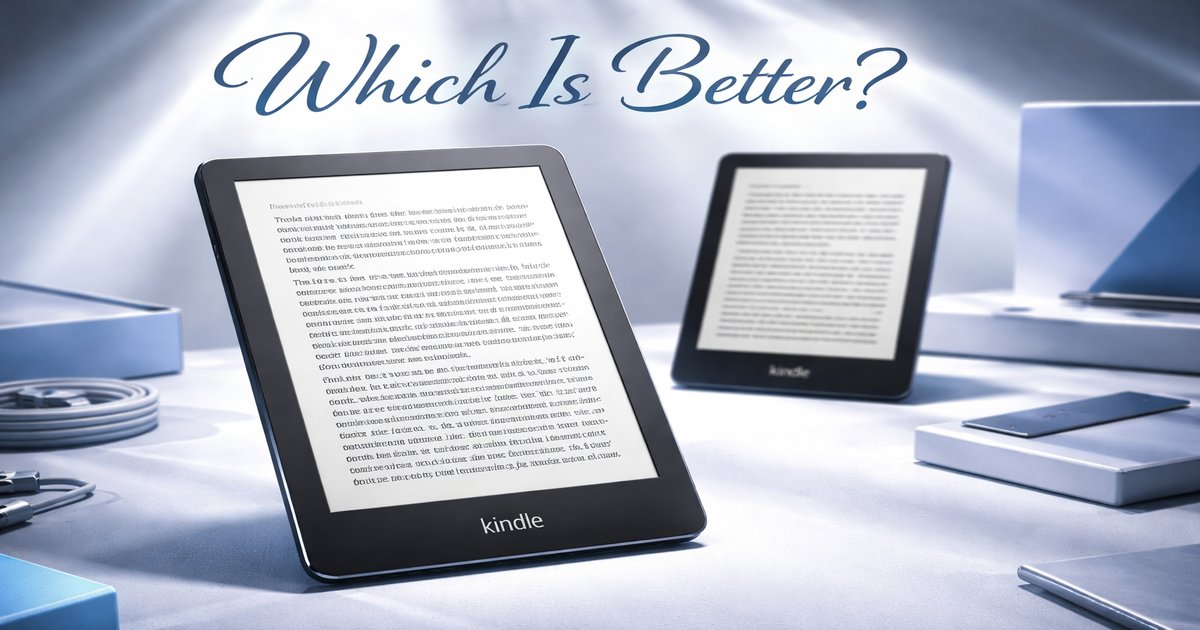
You’ve been eyeing an e-reader for ages, but deciding between the Kindle and Kindle Paperwhite feels like a choice between two equally good cups of coffee. Both get the job done, but the details make all the difference. Let’s break down which one deserves your hard-earned cash.
| Feature | Kindle | Kindle Paperwhite |
|---|---|---|
| Resolution | 167 ppi | 300 ppi |
| Waterproof | ✗ | ✓ (IPX8) |
| Storage Options | 8 GB | 8 GB or 32 GB |
| Built-in Light | 4 LEDs | 17 LEDs |
| Battery Life | Weeks | Weeks |
| Weight | 6.1 oz (174 g) | 6.4 oz (182 g) |
✅ kindle Pros
- Lightweight and compact, easy to hold for long reading sessions.
- More affordable, making it a great entry-level option.
- Simple interface, perfect for those who want a no-fuss reading experience.
❌ kindle Cons
- Lower resolution can make text less sharp.
- No waterproofing, so risky by the pool or bath.
✅ kindle paperwhite Pros
- Higher resolution offers crisp, paper-like text.
- Waterproof design for worry-free reading near water.
- Adjustable warm light for a more comfortable night reading experience.
❌ kindle paperwhite Cons
- Slightly heavier, which might be noticeable over long periods.
- Higher price point that might deter budget-conscious buyers.
Display Quality
The Kindle Paperwhite’s 300 ppi display is a game-changer compared to the Kindle’s 167 ppi. If you read a lot of graphic novels or PDFs, the Paperwhite is your best bet for crisp, clear text and images. You won’t notice pixelation, making it more akin to reading an actual book. For casual readers sticking mostly to text, the Kindle’s display is serviceable but lacks the precision that makes long reads feel more immersive.
Durability and Portability
The Kindle is as lightweight as they come, which is a blessing if you’re an on-the-go reader. The Paperwhite, while slightly heavier, offers a reassuringly robust build with IPX8 waterproofing. If you love reading in the bath or at the beach, the Paperwhite is worth the extra weight. The Kindle’s lack of waterproofing means a stray splash could spell disaster, limiting where you can confidently take it.
Value for Money
The Kindle is unbeatable for budget-conscious bookworms who want a straightforward e-reader without frills. However, if your reading habits extend to more varied environments and formats, the Paperwhite justifies its higher price with superior features. The adjustable warm light, waterproofing, and better resolution make it a worthwhile investment for serious readers. You get more bang for your buck with these additional options.
Both devices have their hidden quirks. The Kindle’s limited resolution can be a deal-breaker if you’re picky about text clarity. The Paperwhite may have a more vibrant display, but it’s not invincible; scratches can still happen if you’re not careful. Neither offers a storage expansion option, so choose your storage size wisely.
Our Final Verdict: Which One Should You Buy?
If you’re a casual reader who prefers simplicity and affordability, the Kindle is your go-to. It’s perfect for light readers and those new to e-readers. However, if you read frequently and value features like waterproofing and a sharp display, the Kindle Paperwhite is the one to snag, especially if you read in diverse settings.
Does the Kindle support audiobooks?
Yes, both the Kindle and Kindle Paperwhite support Audible audiobooks via Bluetooth headphones or speakers.
Can I read in the dark with these devices?
Both have built-in lights, but the Paperwhite’s 17 LEDs provide a more evenly lit experience compared to the Kindle’s 4.
Is there a difference in battery life?
Both devices boast weeks of battery life on a single charge, but the actual duration depends on usage and light settings.
