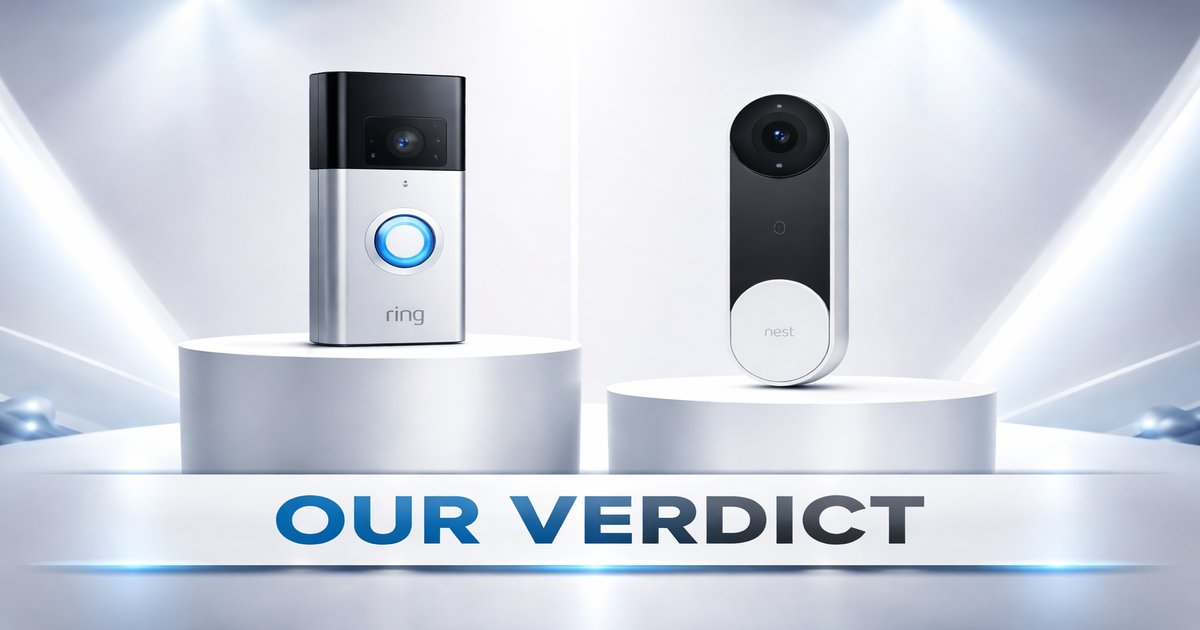
Imagine this: You’re at work, and a package is delivered to your doorstep. You want to ensure it’s safe until you get home. Enter the world of smart doorbells like Ring and Nest, which promise to keep an eye on things when you can’t. But which one really stands guard better?
| Feature | Ring Doorbell | Nest Doorbell |
|---|---|---|
| Resolution | 1080p HD | 960 x 1280 HD |
| Field of View | 155° | 145° |
| Night Vision | ✓ | ✓ |
| Power Options | Battery, Wired | Battery, Wired |
| Subscription Required for Full Features | ✓ | ✓ |
| Works with Google Assistant | ✓ | ✓ |
| Works with Amazon Alexa | ✓ | ✗ |
✅ ring doorbell Pros
- Seamless integration with Alexa and Amazon devices.
- Diverse power options: battery or wired.
- Wide 155° field of view for better coverage.
❌ ring doorbell Cons
- Subscription needed for viewing past recordings.
- Occasional connectivity issues reported.
- Notifications can be slow at times.
✅ nest Pros
- Excellent integration with Google Home ecosystem.
- Great video quality with HDR support.
- Smart motion detection with familiar face alerts.
❌ nest Cons
- Less compatible with Amazon Alexa.
- Subscription is a must for full feature access.
- Field of view is narrower than some competitors.
Performance
When it comes to performance, both Ring and Nest are solid choices. However, Nest takes the cake with its HDR video quality, which handles contrast better and provides clearer images, especially in challenging lighting conditions. If you live in an area with a lot of shadows or bright sunlight, Nest’s video clarity is a big plus. Ring, on the other hand, gives you a wider field of view, which means fewer blind spots. For those who prioritize seeing more of their porch and yard, Ring’s broader scope might be more appealing.
Build Quality
Nest feels like a premium device with its sleek design and solid build. It looks modern and fits well with other Google products in your home. Ring has a more utilitarian design, but it’s robust and built to withstand various weather conditions. If aesthetics matter to you, especially if you’re already in the Google ecosystem, Nest might feel more at home on your front door. However, if you want something that screams “security device”, Ring has that strong, presence-driven look.
Value
Value is a tricky one. With both devices, you’re going to need a subscription to really take advantage of their full feature sets. Nest offers a bit more in terms of smart features like familiar face detection, but it’s also generally more expensive. Ring is less costly upfront and offers a decent range of features without the need for immediate subscription sign-up. If you’re budget-conscious, Ring might give you more bang for your buck initially, but Nest could offer more value in the long run, especially if you’re committed to the Google ecosystem.
Hidden limitations can be a deal-breaker. With Ring, be ready for occasional connectivity glitches—especially if your Wi-Fi isn’t top-notch. Nest users might find themselves frustrated by its dependency on Google’s ecosystem; if you stray even slightly, you might lose some functionality. Both require subscriptions for past footage—something to factor into your long-term costs.
Our Final Verdict: Which One Should You Buy?
If you’re deep into the Amazon ecosystem and want an affordable entry into smart home security, Ring is the way to go. It’s practical, reliable, and doesn’t hurt the wallet as much. On the flip side, if you’re all about Google and want superior video quality with smart features, Nest is your match. It’s pricier, but if you’re looking for top-tier performance and integration with Google devices, it’s worth every penny.
Do I need a subscription for Ring or Nest to work properly?
Both products work without a subscription for live viewing. However, to access past recordings and advanced features, a subscription is necessary.
Can I install Ring or Nest myself?
Yes, both devices are designed for DIY installation. Just ensure you have a strong Wi-Fi connection and the necessary tools at hand.
How do these doorbells handle extreme weather?
Both Ring and Nest are designed to withstand rain, snow, and extreme temperatures. However, if you live in an area with harsh weather, additional protective measures may be beneficial.
