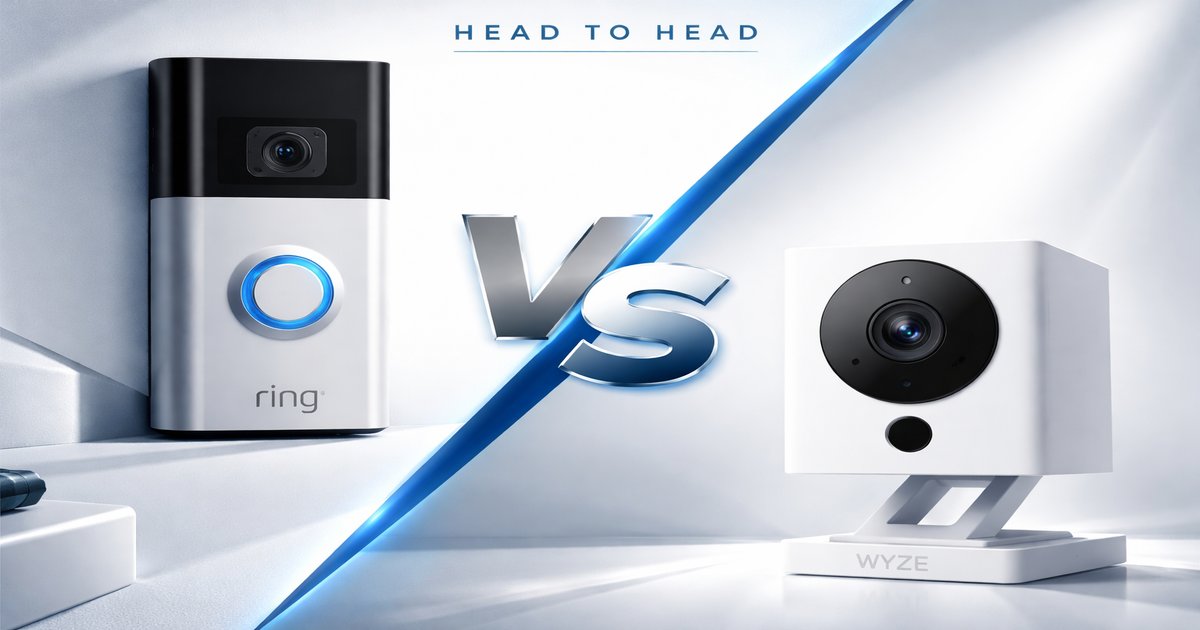
You’re finally ready to secure your home with a smart camera, but you’re stuck between two popular contenders: Ring and Wyze Cam. Each has its own strengths and quirks, and picking the right one can feel like choosing between a reliable veteran and a scrappy upstart. Let’s break down how these two stack up in real-world use.
| Feature | Ring | Wyze Cam |
|---|---|---|
| Resolution | 1080p HD | 1080p HD |
| Field of View | 160° | 110° |
| Two-Way Audio | ✓ | ✓ |
| Night Vision | ✓ | ✓ |
| Smart Home Compatibility | Alexa | Alexa, Google Assistant |
| Subscription Required for Full Features | ✓ | ✗ |
| Price | $99.99 | $35.98 |
✅ ring Pros
- Robust field of view with 160° coverage.
- Solid build quality and weather resistance.
- Well-integrated with Alexa for smart home setups.
❌ ring Cons
- Requires a subscription for video history.
- Higher upfront cost compared to Wyze.
- Limited smart home compatibility.
✅ wyze cam Pros
- Extremely affordable price point.
- No subscription needed for basic features.
- Compatible with both Alexa and Google Assistant.
❌ wyze cam Cons
- Narrower field of view at 110°.
- Build quality feels less durable.
- Can struggle with connectivity at times.
Performance and Features
When it comes to performance, Ring offers a comprehensive feature set but locks a lot of it behind a subscription wall. The field of view is generous, capturing more of your surroundings, which is crucial for monitoring larger areas. On the flip side, Wyze Cam doesn’t skimp on essential features despite its budget-friendly price tag. It includes two-way audio and night vision without forcing you into a subscription. However, its narrower field of view might be limiting if you’re trying to cover a wide space with a single camera.
Build Quality and Durability
Ring is built like a tank. Its weather-resistant design makes it a no-brainer for outdoor use, surviving extreme conditions without a hitch. It’s a device you can set up and forget about, confident that it will handle whatever Mother Nature throws its way. Wyze Cam, however, feels more delicate. It’s best suited for indoor use or sheltered outdoor spots. Don’t expect it to withstand a downpour or freezing temperatures as well as the Ring can, and that’s a significant consideration depending on your installation needs.
Value Proposition
Wyze Cam’s price point is its strongest suit, making it an excellent choice for budget-conscious users who want basic security without ongoing costs. It’s a fantastic entry point into the world of smart home security. Ring, on the other hand, positions itself as a premium option with features that justify its higher price, provided you’re willing to pay for the subscription. If you’re looking for a long-term, reliable solution and don’t mind the extra cost, Ring offers excellent value over time.
Wyze Cam’s low cost can be deceptive if you’re not mindful of its limitations. Its connectivity issues can be frustrating, especially if your Wi-Fi isn’t top-notch. Ring’s subscription fees add up quickly, turning what seems like a one-time purchase into a recurring expense. Both cameras have their niche, but neither is perfect.
Our Final Verdict: Which One Should You Buy?
If you’re looking for a no-fuss, budget-friendly option that covers the basics and integrates with various smart home ecosystems, Wyze Cam is your best bet. Perfect for tech-savvy renters or those just starting with smart home security. For those who prioritize comprehensive coverage, robust build quality, and don’t mind paying for premium features, Ring is the way to go. It’s ideal for homeowners who want a reliable, long-term security solution.
Is Wyze Cam suitable for outdoor use?
Wyze Cam is primarily designed for indoor use, but it can be used outdoors if adequately sheltered. For true outdoor resilience, consider Wyze Cam Outdoor or a weather-resistant case.
Does Ring work without a subscription?
Yes, Ring works without a subscription, but you won’t have access to video recording history or advanced features like person detection.
How is the video quality on each camera?
Both cameras offer 1080p HD video quality, which is clear and detailed enough for most purposes. However, lighting conditions and Wi-Fi connectivity can impact the video performance.
