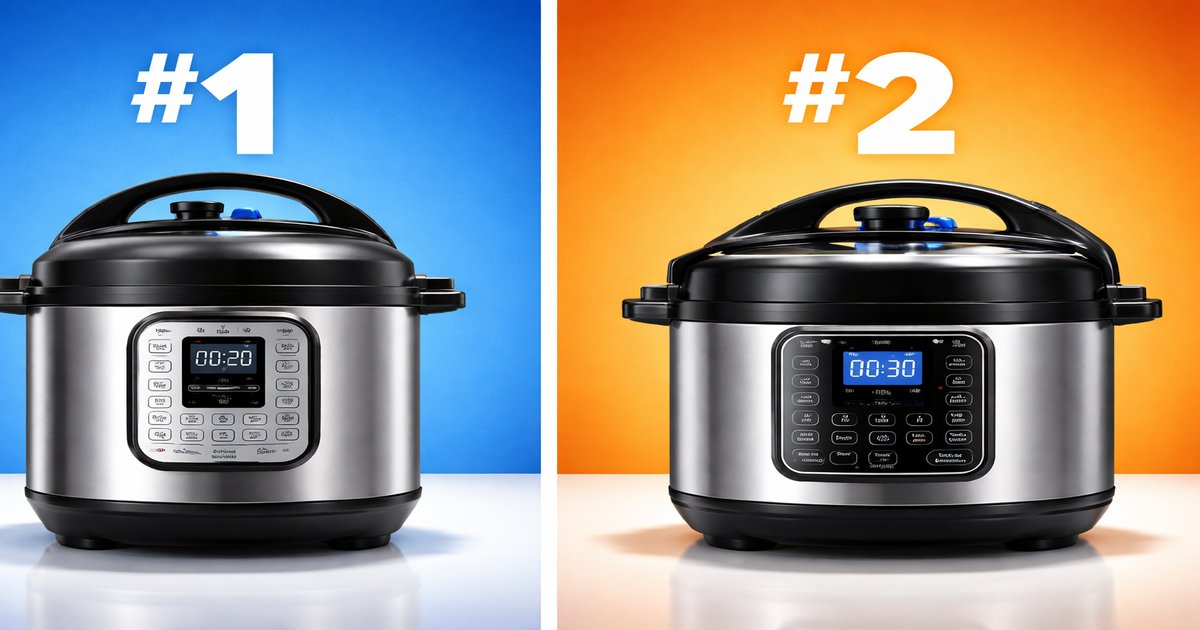
You’ve got a busy schedule, and the idea of whipping up a home-cooked meal on a weeknight might seem like a pipe dream. Enter the Instant Pot and traditional pressure cooker, two kitchen gadgets that promise to transform your culinary game. But which one really deserves a spot on your countertop?
| Feature | Instant Pot | Pressure Cooker |
|---|---|---|
| Cooking Functions | Multi-functional (7-10 in 1) | Single-function |
| Ease of Use | Digital Interface | Manual |
| Preset Programs | ✓ | ✗ |
| Price | $100 – $150 | $50 – $100 |
| Portability | ✗ | ✓ |
| Safety Features | Advanced (10+ safety mechanisms) | Basic (Pressure Release Valve) |
✅ Instant Pot Pros
- Extremely versatile with multiple cooking modes.
- Convenient with preset programs for easy cooking.
- Enhanced safety features reduce risk of accidents.
❌ Instant Pot Cons
- Pricier upfront cost compared to traditional pressure cookers.
- Bulky design makes it less portable.
- Learning curve for those unfamiliar with digital interfaces.
✅ Pressure Cooker Pros
- Cost-effective and widely available.
- Simple to use with no complex programs.
- Lightweight and easy to store or transport.
❌ Pressure Cooker Cons
- Limited to pressure cooking only.
- Requires constant monitoring and manual operation.
Performance
When it comes to performance, the Instant Pot shines with its ability to sauté, slow cook, and even make yogurt. This makes it a true kitchen workhorse for someone who loves experimenting with recipes. On the other hand, a traditional pressure cooker is a master at doing one thing well: cooking meals fast. If you’re the kind of cook who just wants to get dinner on the table without fiddling with settings, the pressure cooker might be your best ally.
Build Quality
Instant Pots are built with numerous safety features and a robust stainless steel body, making them durable for long-term use. They have a certain heft which suggests sturdiness. Traditional pressure cookers, while simpler, are often made from the same high-quality stainless steel but lack the additional safety mechanisms, which could be a concern for the cautious cook. Their simplicity makes them less prone to electronic failures.
Value
The value of an Instant Pot lies in its multifunctionality. If you’re someone who will utilize its various features, the higher price tag is justified. However, if you’re not planning on using it beyond basic pressure cooking, the cost might not reflect its utility for you. A traditional pressure cooker offers great value for those who need a straightforward, reliable cooking tool without the bells and whistles.
While both gadgets promise quick meals, the Instant Pot can be overkill for simple tasks, complicating what should be straightforward. The traditional pressure cooker, though easier on the wallet, demands more kitchen vigilance, something busy users might find frustrating.
Our Final Verdict: Which One Should You Buy?
If you’re a tech-savvy cook looking to experiment with different cooking styles and appreciate the convenience of set-it-and-forget-it cooking, the Instant Pot is your kitchen soulmate. But if you’re someone who values simplicity, budget-friendliness, and prefers a no-frills approach to meal prep, stick with the trusty traditional pressure cooker.
Can the Instant Pot replace all my other kitchen appliances?
While the Instant Pot is highly versatile, it won’t fully replace specialized appliances like an oven or grill. It’s a great addition but not a total replacement.
Is the pressure cooker safe to use?
Yes, when used properly. Ensure you follow the safety instructions, particularly regarding the pressure release valve and sealing the lid correctly.
How long do these appliances typically last?
Both can last several years with proper care. The Instant Pot’s digital components might require more attention, while the pressure cooker’s simplicity often translates to fewer issues.
