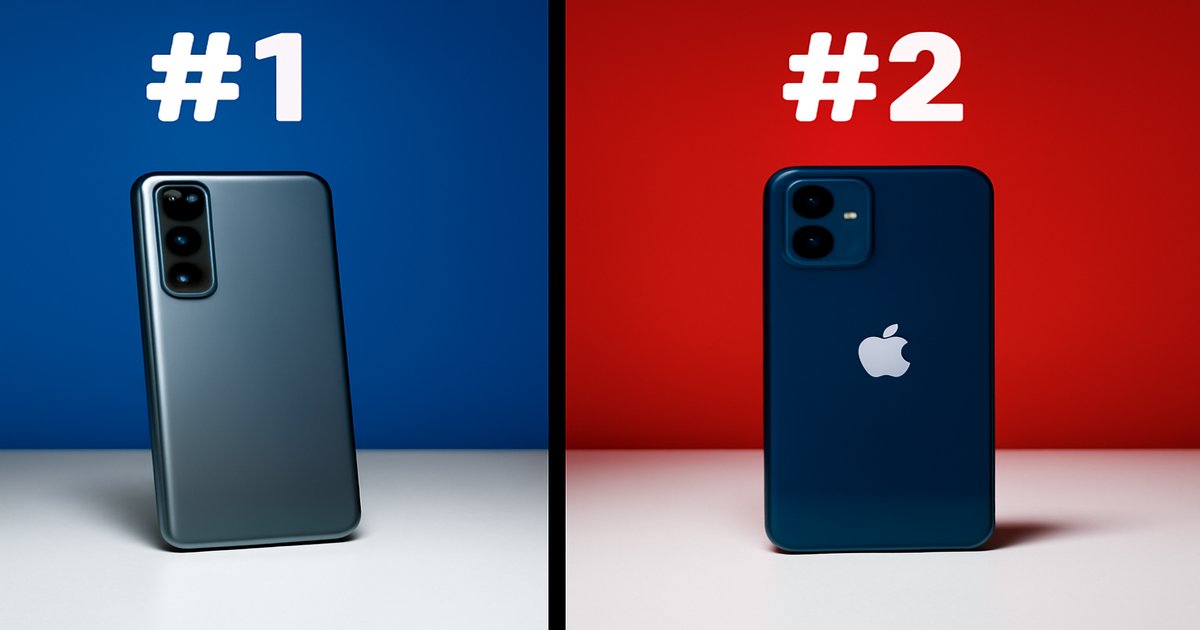
You’re standing in the phone store, staring down the aisles like a deer in headlights. On one side, the sleek allure of Apple; on the other, the versatile world of Android. Which one will serve you best in the digital jungle?
| Feature | Android | Apple |
|---|---|---|
| Operating System | Android 13 | iOS 17 |
| App Store Variety | ✓ | ✗ |
| Customizability | ✓ | ✗ |
| Security Features | ✗ | ✓ |
| Hardware Variety | ✓ | ✗ |
| Ecosystem Integration | ✗ | ✓ |
✅ android Pros
- Extensive customizability for personalized experience.
- Wide range of devices at various price points.
- Open-source nature encourages innovation and variety.
❌ android Cons
- Inconsistent update rollouts across devices.
- Security vulnerabilities due to open-source nature.
✅ apple Pros
- Smooth integration across Apple ecosystem devices.
- Strong security features and regular updates.
- Consistent, polished user experience.
❌ apple Cons
- Limited customizability compared to Android.
- High cost of entry and repair expenses.
Performance and Usability
Android devices offer a wide range of performance levels, depending on the manufacturer and model. High-end Androids like Samsung’s Galaxy series can rival any iPhone in speed and functionality. However, cheaper models may lag. Apple’s hardware-software synergy ensures a consistently smooth performance across devices, from iPhone SE to the latest Pro Max. If you prioritize a no-fuss, reliable experience, Apple’s uniformity is hard to beat.
Build Quality and Design
Apple’s design ethos is all about sleek minimalism, which results in devices that feel luxurious and durable. Their attention to detail in materials and assembly is unsurpassed. On the flip side, Android offers variety—whether you want a rugged phone or one with a stylus, there’s an option. That said, build quality can vary greatly between brands, so choose wisely if you go the Android route.
Value for Money
Android wins hands-down when it comes to offering phones across every budget. From budget-friendly models to premium powerhouses, there’s something for everyone. Apple, however, doesn’t play in the budget space—their devices are expensive, and they hold their value well, which is a plus if you plan to resell. You pay a premium for Apple’s ecosystem and seamless experience, which may or may not be worth it for you.
Apple’s ecosystem lock-in can be a double-edged sword. Once you’re in, leaving can be costly and cumbersome. Android’s openness means freedom, but it also means dealing with bloatware and sometimes sluggish updates on certain models. Choose the inconvenience you can live with.
Our Final Verdict: Which One Should You Buy?
If you’re tech-savvy and value flexibility and variety, Android is your playground. Ideal for those who want to tinker and customize, or if you’re working within a budget. If you value security, seamless integration, and have a penchant for premium experiences, Apple is your go-to. It’s perfect for those who want everything to just work, without hassle.
Can I switch from Android to Apple easily?
Switching is possible but can be labor-intensive. Apps and data don’t always transfer seamlessly, so be prepared for some manual effort.
Is Android more prone to viruses compared to Apple?
Android’s open-source nature can make it more vulnerable, but safe browsing habits and using Google Play Protect can mitigate risks.
Are Apple devices worth the extra cost?
If you value a seamless ecosystem, regular updates, and strong resale value, the higher cost can be justified. It depends on what you prioritize in a device.
