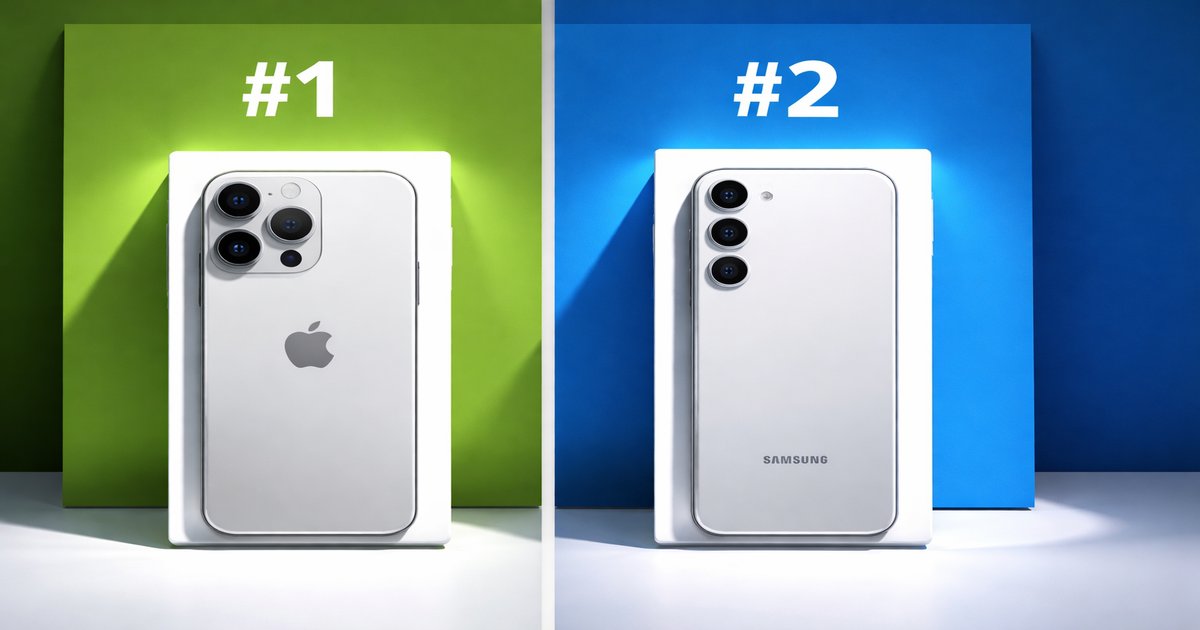
You’re at a concert, the music is electric, and you want to capture that perfect shot. But your smartphone camera is just not cutting it. Should you be wielding an Apple or a Samsung device for those vibrant, Instagram-worthy photos? Let’s dive into the nitty-gritty of both cameras to help you decide.
| Feature | Apple Camera (iPhone 14 Pro) | Samsung Camera (Galaxy S23 Ultra) |
|---|---|---|
| Main Camera Resolution | 48 MP | 200 MP |
| Night Mode | ✓ | ✓ |
| Optical Zoom | 3x | 10x |
| Pro Mode | ✗ | ✓ |
| Video Resolution | 4K at 60fps | 8K at 24fps |
| Image Stabilization | Sensor-shift | Optical and digital |
✅ apple camera Pros
- Superior image processing with Smart HDR 4.
- Sensor-shift optical image stabilization for smoother videos.
- User-friendly interface with seamless integration across Apple devices.
❌ apple camera Cons
- Limited optical zoom compared to competitors.
- No dedicated Pro Mode for advanced settings.
- Higher price tag with minimal accessory inclusions.
✅ samsung camera Pros
- Impressive 200 MP sensor for ultra-high resolution images.
- 10x optical zoom is unmatched for close-up details.
- Comprehensive Pro Mode for manual adjustments and creativity.
❌ samsung camera Cons
- Hefty and bulky design might not appeal to everyone.
- Occasional over-processing in low-light conditions.
- Complex interface can be overwhelming for new users.
Performance and Image Quality
Apple’s camera system is a master of consistency. The Smart HDR 4 optimizes photos in various lighting conditions, making every shot look professionally edited. However, Samsung’s 200 MP sensor isn’t just a numbers game; it genuinely delivers stunning detail, though sometimes at the cost of over-processed images. For everyday users, Apple’s straightforward approach results in reliable quality, while Samsung’s high-res shots are a boon for photography enthusiasts who love to tweak settings.
Zoom Capabilities
If you love capturing distant subjects, Samsung’s 10x optical zoom is a game-changer. The detail retention at such high zoom levels is a blessing for wildlife and sports photography. Apple falls short here with just 3x optical zoom, which may leave you wanting more reach. Where Apple excels is in maintaining image quality across its zoom range, though if you need that extra mile, Samsung is your best bet.
Video Recording
Apple’s 4K at 60fps video is buttery smooth and a delight for vloggers who prioritize ease of use and quality stabilization. Samsung, though, ups the ante with 8K recording, offering future-proofing for those who desire the highest resolution possible. But remember, 8K also means larger file sizes and the need for more powerful editing hardware. For most users, Apple’s 4K is more than sufficient unless you’re a budding filmmaker.
Both cameras have their quirks. Apple’s sensor-shift stabilization is great, but it can’t compensate for its lack of optical zoom. Samsung’s over-processing might ruin a few night shots, but its hardware is undeniably superior. Remember, higher megapixels and features don’t always translate to better everyday photos.
Our Final Verdict: Which One Should You Buy?
If you’re an iPhone loyalist who values simplicity and seamless ecosystem integration, stick with the Apple camera. It’s ideal for capturing consistently great photos without fuss. For the power user or photography enthusiast who wants the latest tech and manual control, Samsung’s camera will satisfy your creative needs. Just be ready to navigate its more complex features.
Is the Samsung camera too bulky for daily use?
While it’s certainly larger than Apple’s offerings, many users find the added features and capabilities worth the extra heft. Consider a test hold if weight is a concern.
Do I need to worry about storage with these high-resolution images?
Yes, especially with Samsung’s 200 MP shots and 8K video. Invest in ample storage options or cloud solutions if you frequently shoot in high resolution.
How does battery life compare when using these cameras extensively?
High-resolution shooting and video recording drain the battery faster on both devices. Samsung generally offers a larger battery, but actual life will depend on usage patterns.
