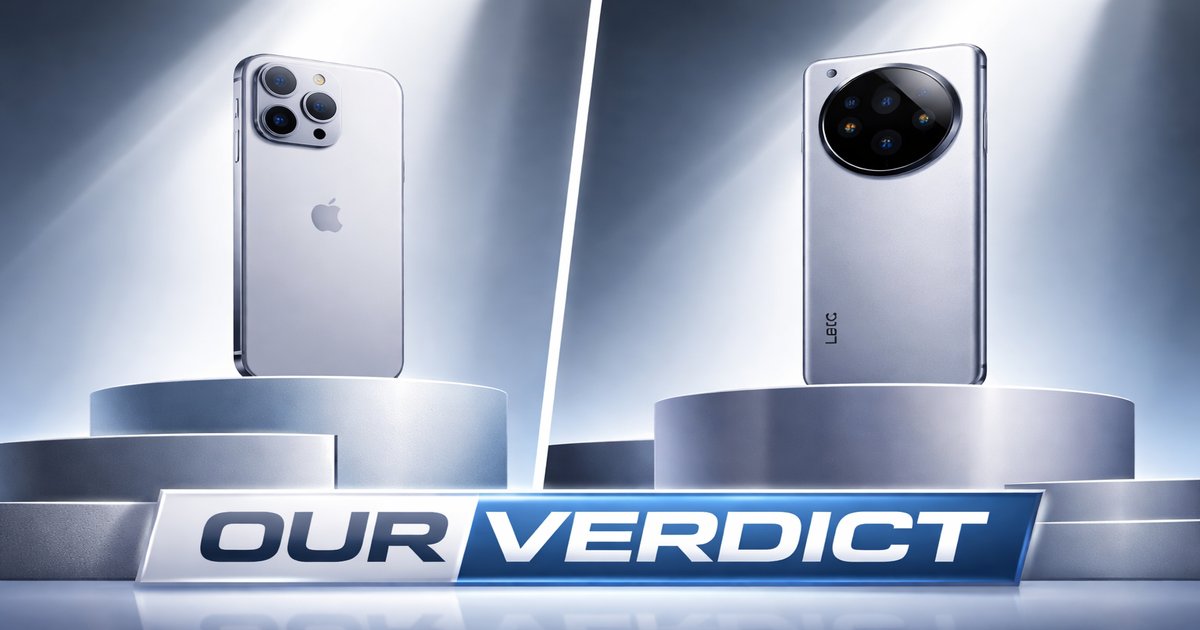
You’re standing at the crossroads, clutching your hard-earned cash, ready to splurge on a new smartphone. It’s a battle of giants: the sleek, iconic iPhone or the feature-rich, wallet-friendly Xiaomi. Which one will win your heart and your pocket?
| Spec | iPhone 14 | Xiaomi 12 |
|---|---|---|
| Display | 6.1-inch Super Retina XDR | 6.28-inch AMOLED |
| Processor | A15 Bionic | Snapdragon 8 Gen 1 |
| Camera | 12MP dual | 50MP triple |
| Operating System | iOS 16 | MIUI 13 (Android 12) |
| 5G Support | ✓ | ✓ |
| Battery Life | Up to 20 hours | Up to 24 hours |
| Price | $799 | $749 |
✅ iphone Pros
- Seamless integration with Apple ecosystem.
- Top-notch build quality and design.
- Consistent software updates and support.
❌ iphone Cons
- Higher price point.
- Limited customization options.
✅ xiaomi Pros
- Great value for money with flagship features.
- Impressive camera capabilities at a lower cost.
- Highly customizable operating system.
❌ xiaomi Cons
- MIUI can be bloated with pre-installed apps.
- Less consistent software support.
Performance and Speed
The iPhone 14’s A15 Bionic chip is a powerhouse, ensuring buttery-smooth performance whether you’re gaming, editing videos, or just flicking through your social media feeds. On the other hand, Xiaomi 12’s Snapdragon 8 Gen 1 is no slouch. It’s blazing fast, handling resource-intensive tasks with ease. However, you might notice the difference in the way iPhone manages to stay cool under pressure, while Xiaomi can get a bit toasty. If you’re a heavy user, consider how long you want your device to perform at its peak without feeling like a hand warmer.
Build Quality and Design
Apple’s attention to detail in design is almost legendary. The iPhone 14 feels like a premium product because it is one. From the seamless glass and aluminum construction to the precise fit and finish, it screams quality. Xiaomi, while not as high-end, offers a solid build with a modern look. It feels good in the hand, but the plastic elements in some models reveal why it’s more affordable. If you’re the type who appreciates a luxe feel and can spot the difference, the iPhone will likely impress you more.
Value for Money
Xiaomi shines brightly in delivering flagship specs without the flagship price tag. For budget-conscious buyers, it’s a dream come true, offering features like a high-resolution camera and AMOLED display at a fraction of the cost. The iPhone, while more expensive, offers value in terms of ecosystem integration and resale value. If you plan on keeping a phone for a while and maybe selling it later, the iPhone holds its value better. But if you’re looking for immediate bang for your buck, Xiaomi is hard to beat.
While iPhone users enjoy a polished ecosystem, you’re locked into Apple’s walled garden, limiting flexibility. Xiaomi’s MIUI, though customizable, can feel cluttered with persistent ads and bloatware. Both phones have their quirks that only show up after everyday use, like occasional app crashes on Xiaomi or limited app permissions on iPhone.
Our Final Verdict: Which One Should You Buy?
If you’re after seamless integration, superior build quality, and long-term software support, the iPhone 14 is your go-to device. It’s ideal for those who value a premium experience and are willing to pay for it. On the flip side, if you’re looking for a feature-packed phone without breaking the bank, Xiaomi 12 is a solid choice. It’s perfect for tech enthusiasts who love customization and want the latest technology at an affordable price.
How does the camera quality compare between the two?
The iPhone’s camera is consistent and reliable, especially in video. Xiaomi offers higher megapixels, which translates to more detail in photos, particularly in well-lit conditions.
Which phone has better battery life?
Xiaomi 12 typically offers longer battery life, lasting up to 24 hours, compared to the iPhone. However, real-world use varies based on apps and screen time.
Are there any compatibility issues with other devices?
iPhone works seamlessly within the Apple ecosystem, but can be restrictive with non-Apple devices. Xiaomi offers more flexibility with other brands but may lack seamless integration.
